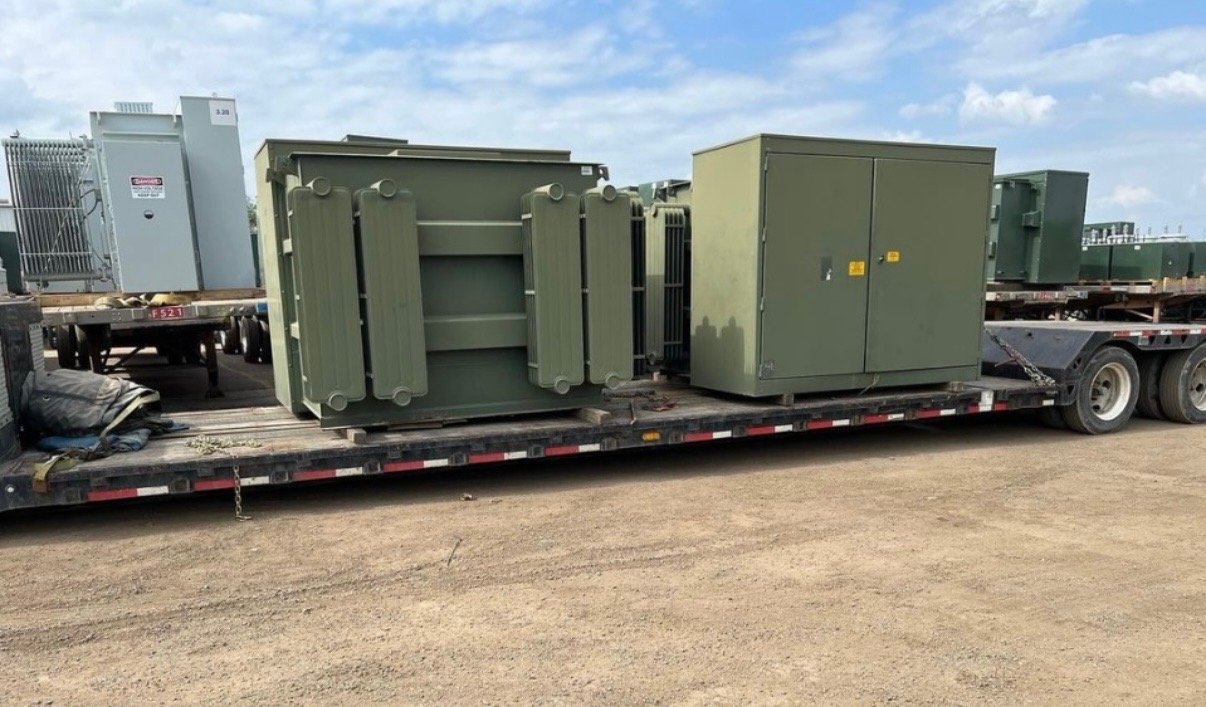
Build an equipment inventory
List transformers, UPS systems, battery cabinets, switchgear, transfer switches, PDUs, busway, cooling-related electrical equipment, and associated cabling separately.
An asset register with nameplates, photos, dimensions, and weights helps distinguish intact equipment from drained, packaged, damaged, or dismantled items.
Records and site coordination
Share current single-line diagrams, revisions, and available de-energization and lockout/tagout records. Age or apparent inactivity alone does not establish safe-to-move status.
Identify battery chemistry, residual oils, refrigerants, floor-loading limits, rigging clearances, access routes, and remaining tenants; protect floors and maintain clear egress.
Scope, value, and freight
No test is required simply to request an offer. Existing equipment, oil, battery, or service records may be provided if available; valuation depends on each unit’s condition and completeness.
Payments are upfront and the buyer covers freight. Purchase and removal scope are mutually agreed; the seller’s qualified personnel handle electrical isolation and disconnection, coordinated with site and electrical authorities.
Can the whole decommissioning scope be assumed from an asset list?
No. Equipment condition, ownership, site safety, records, access, and agreed purchase and removal responsibilities must be confirmed before transport arrangements are finalized.