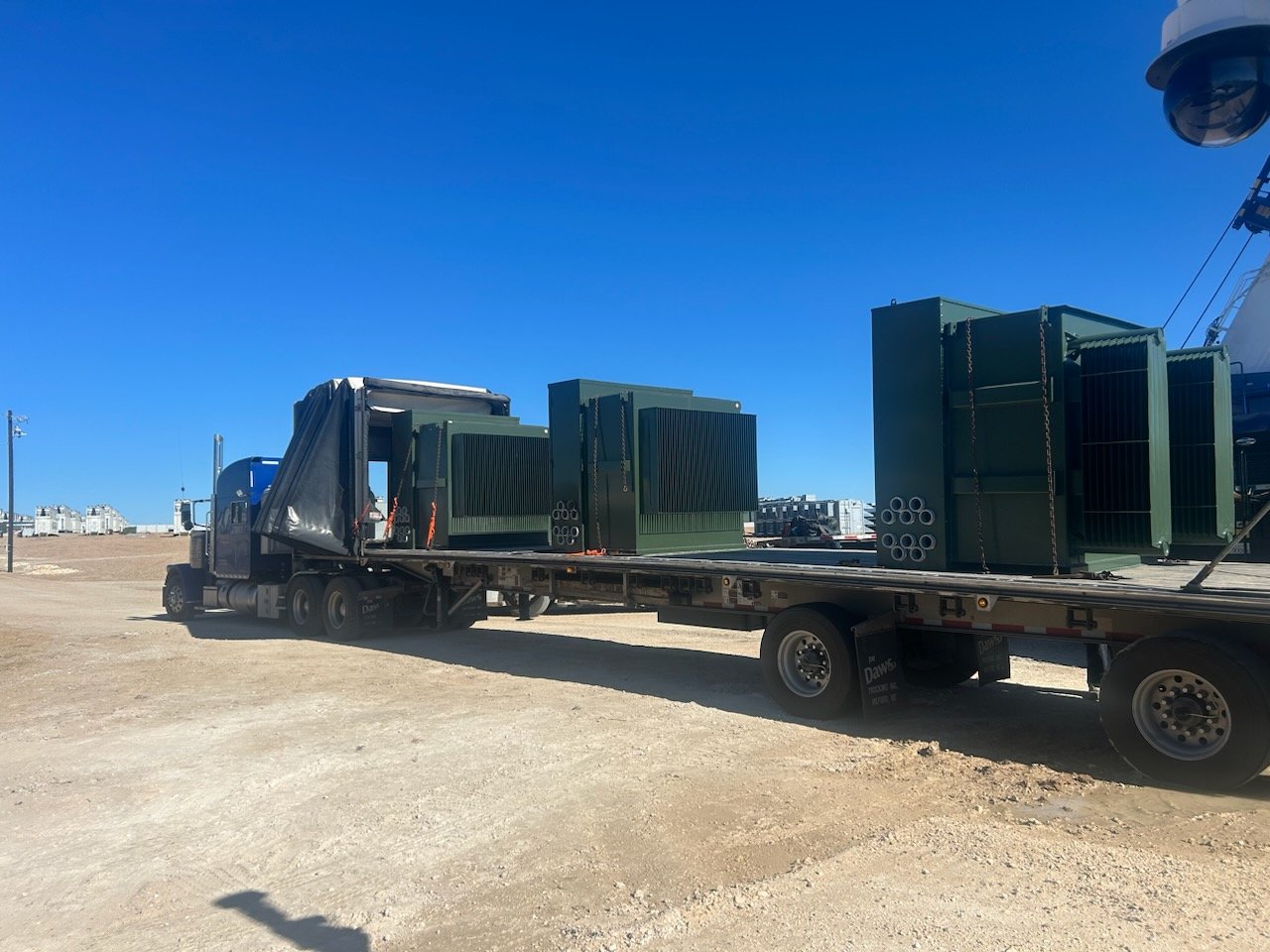
Document the equipment
Separate transformers, UPS systems, battery cabinets, switchgear, transfer switches, PDUs, busway, cooling-related electrical equipment, and cabling in the asset register.
Send nameplate images, dimensions, weights, equipment photos, and current one-line diagrams. Identify any assets that are damaged, dismantled, drained, or incomplete.
Coordinate site conditions
Provide available de-energization and lockout/tagout records, battery chemistry, and oil or refrigerant details; age or inactivity does not confirm safe movement.
In Tuscaloosa, clear rigging measurements, floor-loading limits, access routes, and staging details support coordination for institutional, commercial, or industrial sites.
Value and removal terms
No test is required simply to request an offer. Existing service, inspection, fluid, or battery records may be shared; value depends on condition and completeness.
Payments are upfront and the buyer covers freight. The parties agree on purchase and removal scope; the seller’s qualified personnel handle electrical isolation and disconnection before loading.
What should be resolved before equipment is scheduled for removal?
Confirm ownership, asset condition, safety records, access and rigging limits, and which party handles each removal task. Offers and logistics depend on those details and agreed scope.