Map the electrical scope
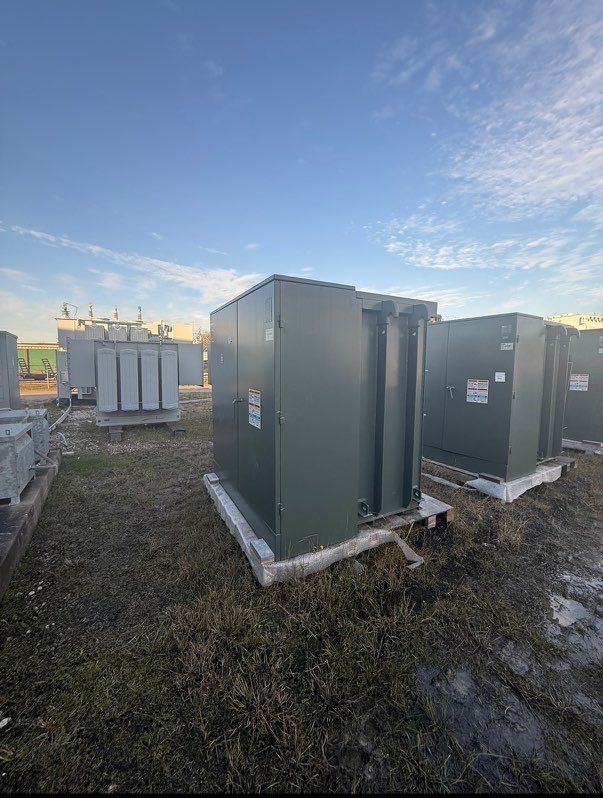
Start with the asset register, single-line diagrams and revisions, if available. Transformer nameplates identify details such as manufacturer, serial number, kVA rating, voltage, phase, impedance and whether the unit is oil-filled or dry-type. Photos of nameplates and overall condition help distinguish units that may look similar but have different ratings or configurations.
For other assets, record dimensions, weights and visible condition for switchgear, UPS equipment, automatic transfer switches, power distribution units and busway. Include battery chemistry and any known oil or fluid information where applicable. Existing test, oil or PCB records can be shared if available; testing is not required just to request an offer.
Plan safe removal and access
Do not treat age, shutdown status or an inactive appearance as proof that equipment is safe to move. Qualified personnel must isolate and disconnect electrical equipment, with de-energization and lockout/tagout coordinated through the site’s responsible parties. Confirm the plan with the owner, electrical authority, facilities team and any remaining tenants before setting a removal window.
Check floor loading, rigging needs, doorways, turns, dock access and clear egress. Identify whether each item is intact, drained, packaged or dismantled, and treat batteries, residual oils, refrigerants and damaged components as separate handling questions. Agree on the exact removal scope and freight logistics before scheduling; freight is covered by the buyer under the agreed scope.
Coordinate the Montgomery site
In the River Region, commercial, institutional, industrial and public-infrastructure settings can have different access controls and outage constraints. Establish who can authorize entry, which areas remain operational, and when removal activity is permitted. Share access measurements and proposed staging areas early so transport planning reflects actual site conditions.
For a quote, provide equipment records and photos, ownership confirmation, site access details and the intended removal boundaries. Payment is upfront, subject to an accepted offer and agreed transaction scope. Keep paths clear and protect floors while equipment awaits removal; confirm who is responsible for any preparation or dismantling before work begins.
Do I need to test a transformer before requesting an offer?
No. Testing is not required to contact us. Send available nameplate details and photos, along with any existing test or oil records, and we can review the unit for a potential offer.