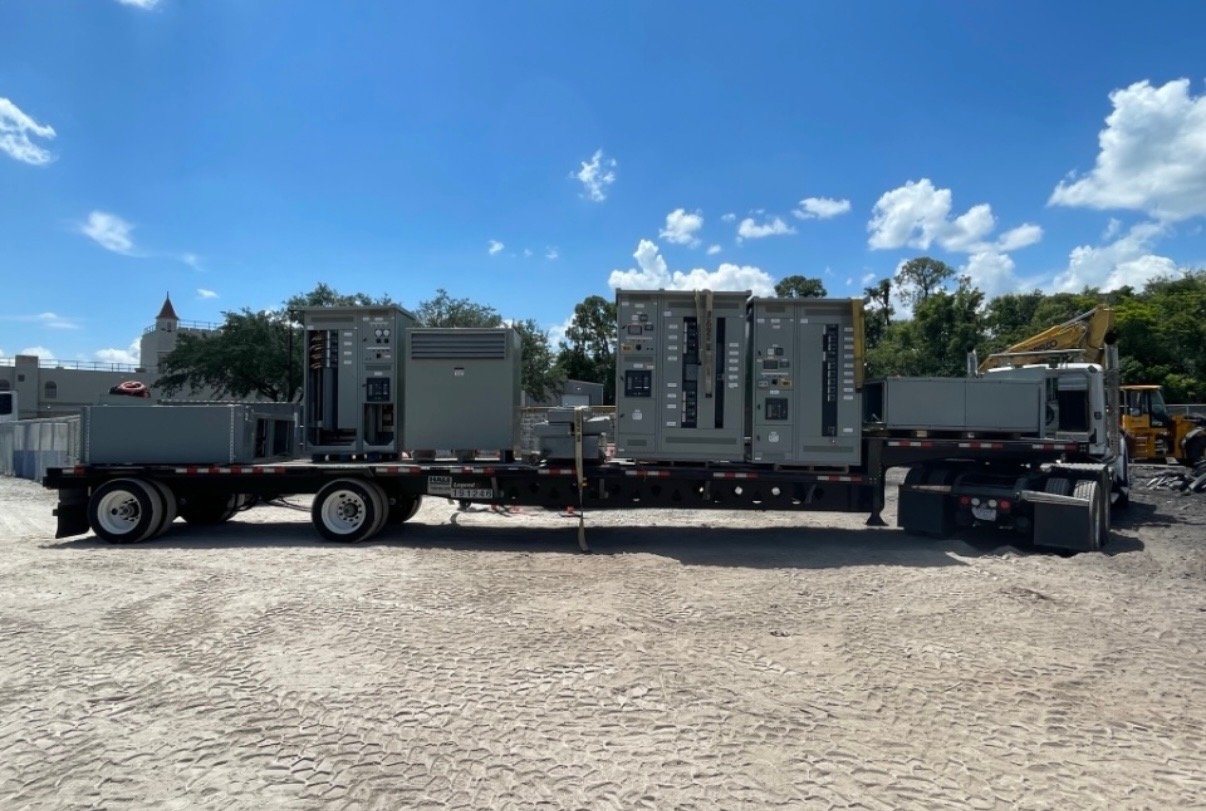
Capture the nameplate and configuration
Record kVA, primary and secondary voltage, phase, frequency, impedance, winding temperature rise, insulation class, tap positions, and serial number. The voltage ratio is the relationship between the primary and secondary voltages; tap positions allow specified voltage adjustment. Photograph the full nameplate so values and manufacturer details can be checked together.
Describe whether the unit is ventilated, enclosed, or encapsulated, and note its enclosure or ventilated rating. Include fans, thermostats, temperature sensors, tap links, lugs, and enclosure panels in the description. Share dimensions, weight, and identified lifting points when available; these details help establish what freight and removal will involve.
Report condition without disturbing coils
From a safe viewing position, note dust buildup, moisture, discoloration, tracking marks, or other signs of overheating. Also describe visible coil and core condition, core clamps, terminals, barriers, and ventilation ducts. Do not move windings or reach into the unit to inspect it; electrical isolation and disconnection belong to qualified personnel.
Value can vary with copper or aluminum windings, core and coil-insulation condition, enclosure completeness, and the state of fans and controls. Cleaning or refurbishment may affect the assessment, but do not attempt repairs to improve an offer. Send existing test, oil, or PCB records if relevant and available; dry-type units may have no oil records, and no test is needed to make initial contact.
Plan the removal details
Dry types are common in commercial buildings, plants, motor-control areas, and data or process facilities where liquid containment is undesirable. Their indoor location does not remove lifting risk: units can be dense and top-heavy, and poor fork placement or unrestrained movement can damage them. Identify access limits, loading arrangements, and any known weight restrictions.
Offers depend on the specific unit, condition, ownership, documentation, safety, and mutually agreed scope. Payments are upfront, and the buyer covers freight; confirm the precise removal scope before proceeding. Have a qualified person handle electrical isolation and disconnection, then provide the available shipping and lifting details for review.
Do I need a test report before requesting an offer?
No. Testing is not required to request an offer. Provide the nameplate information and clear condition and accessory details, plus any existing records you have.