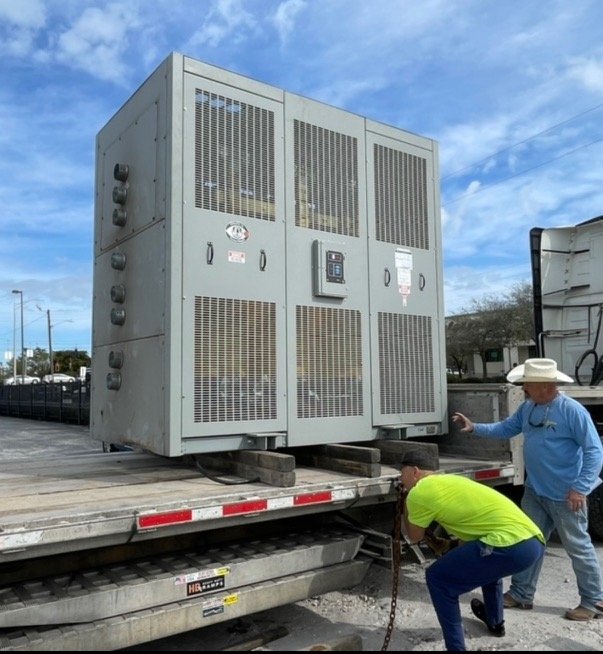
Identify the transformer and its ratings
Separate current transformers (CTs), voltage or potential transformers (VTs/PTs), control transformers, and specialized sensing devices. On the nameplate, capture the ratio, burden, accuracy or protection class, insulation level, and frequency. These ratings indicate how the unit measures or supplies power and whether it suits its former application.
Note whether it served metering, protection relays, switchgear controls, machine controls, or a low-voltage supply. A less common ratio, protection class, or accuracy class may matter more than the amount of metal. Send clear nameplate photos and identify each unit individually, especially when several ratings are present.
Keep terminals and application records together
Polarity marks, terminal blocks, shorting facilities, and wiring diagrams help establish how an instrument transformer was connected. For CTs, never casually open the secondary circuit while energized; any handling or testing must follow qualified procedures and the manufacturer's instructions. Do not ask untrained staff to disconnect or handle energized equipment.
If available, include calibration, excitation, winding-resistance, or insulation test records, along with oil or PCB records where relevant. Records are useful context, not a prerequisite to request an offer. Photograph terminal markings and shorting links in place, and gather diagrams before equipment is separated from its documentation.
Describe sets and removal logistics
Tell us whether units form a matched set or belong to a switchgear lineup. Compatibility can depend on ratio, polarity, burden, and insulation—not just appearance—so note associated equipment and any missing components. State whether the transformer is installed, stored, or already removed.
Electrical isolation and disconnection must be performed by qualified personnel. Share the equipment location, access constraints, and the removal scope you can support; freight is covered by the buyer, with precise removal responsibilities agreed before proceeding. Payment is upfront under the agreed transaction terms.
Do I need test results to ask for an offer?
No. Provide the nameplate details, condition, available records, and photos you have. Existing test results can help clarify the unit, but new testing is not required just to request an offer.