Document the Load
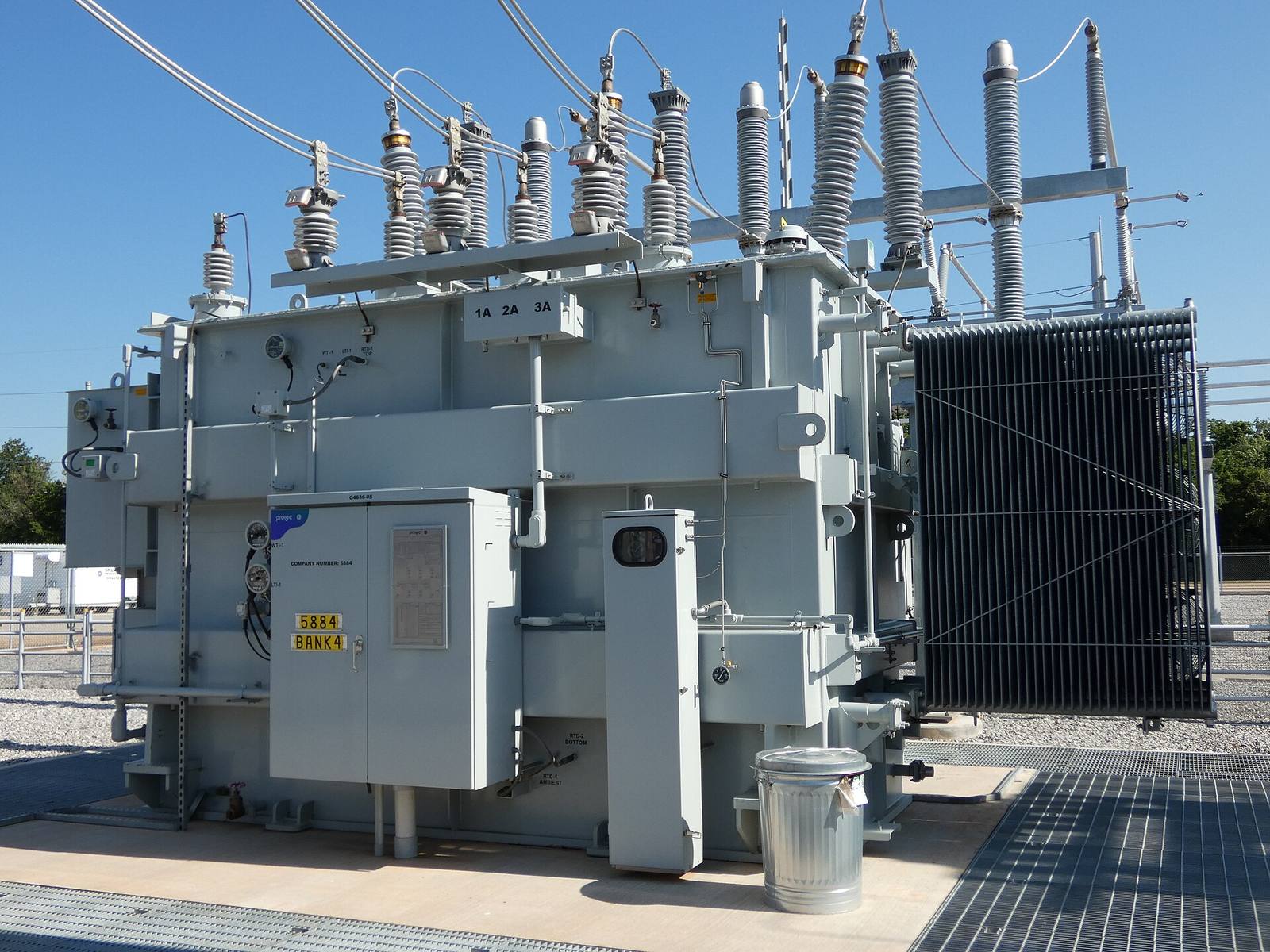
Provide the nameplate, approximate dimensions, weight, and photographs showing the tank, base, lifting lugs, skids, and any visible damage.
Nameplate voltage, kVA, phase, and fluid details help identify the unit; dimensions and weight guide carrier selection and access planning.
Plan the Lift and Route
A qualified rigger and carrier should determine lift points, center of gravity, upright orientation, securement, and suitable equipment for the actual unit.
Share doorway and gate clearances, overhead restrictions, turning space, ground conditions, and route limits before agreeing on a loading date.
Coordinate Safe Handling
Do not lift from improvised points or casually roll an oil-filled transformer. Plan spill prevention and provide existing oil or PCB records if available.
No test is required to request an offer. Payments are upfront, and the buyer covers freight; removal and loading responsibilities are mutually agreed.
Who disconnects the transformer before rigging?
The seller’s qualified personnel handle electrical isolation and disconnection. The rigger and carrier coordinate subsequent lifting and transport under the mutually agreed scope.