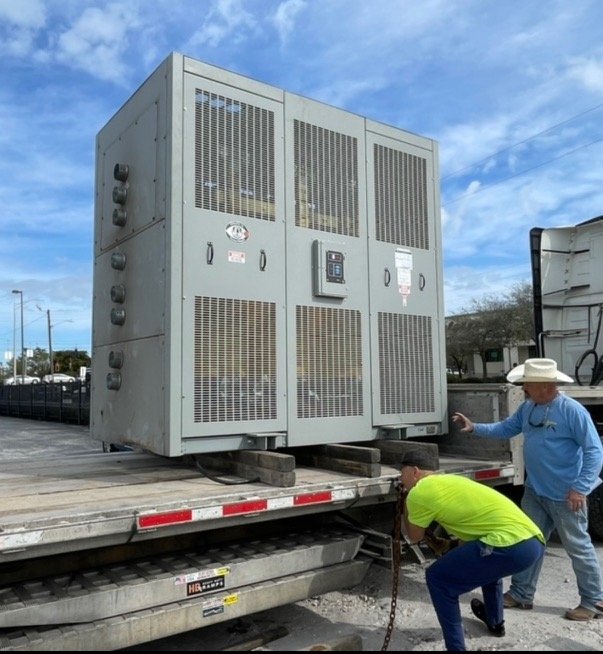
Document configuration and custody
Provide nameplate images, model and serial details, ratings, and available configuration records. Identify isolation, instrument, control, or critical-power service and any changes from the original setup.
Where relevant, note accuracy class, shielding, grounding arrangement, and chain-of-custody documentation. Explain what records can accompany the equipment and disclose any known gaps or handling restrictions.
Describe condition and history
Report physical damage, missing parts, contamination history, storage conditions, and known operating issues. Drawings and maintenance or test records can help distinguish specialized configurations from generic rating matches.
No test is required simply to request an offer. Existing oil, PCB, or other records may be provided if available; share only records you are authorized to provide.
Set the transaction scope
An offer depends on the unit, condition, ownership, safety, records, and mutually agreed scope. If accepted, payment is upfront and we cover freight as agreed.
Your qualified personnel handle electrical isolation and disconnection. Agree on equipment and document handoff, access controls, loading responsibilities, and pickup coordination before removal.
Do configuration records affect an offer?
They can. Accuracy class, shielding, grounding, configuration, and chain-of-custody records may clarify the equipment’s identity and condition; provide available records you are authorized to share.