Start with fluid identity and PCB records
Record what the nameplate says about the transformer, including manufacturer, model, serial number, voltage, and fluid type if shown. Fluid descriptions such as mineral oil or an alternate insulating liquid matter because handling requirements differ. Do not assume the fluid type from the unit’s age, appearance, or brand.
PCB status should be supported by applicable records or qualified testing, not visual inspection or guesswork. Provide existing PCB reports and any available chain-of-custody or sampling details. If status is unknown, say so; do not drain fluid or move it separately to prepare for a quote.
Read test results in context
Oil reports may include dissolved-gas analysis, moisture, acidity, and dielectric results. Dissolved gases can indicate internal electrical or thermal activity; moisture and acidity help describe oil condition; dielectric results indicate how well a sample withstands electrical stress. No single result establishes the whole transformer’s condition or value.
Results are most useful when paired with the sample date, sampling location, laboratory report, and operating or storage history. Old results may not describe current condition, especially after a fault, leak, repair, or long period in storage. If records are available, send the complete report rather than only selected numbers.
Plan safe, documented removal
Sampling and laboratory work should be handled by qualified personnel under applicable requirements. Electrical equipment must also be isolated and disconnected by qualified personnel. Do not open, drain, or transport a transformer or its oil casually; fluid condition and PCB status can affect handling arrangements.
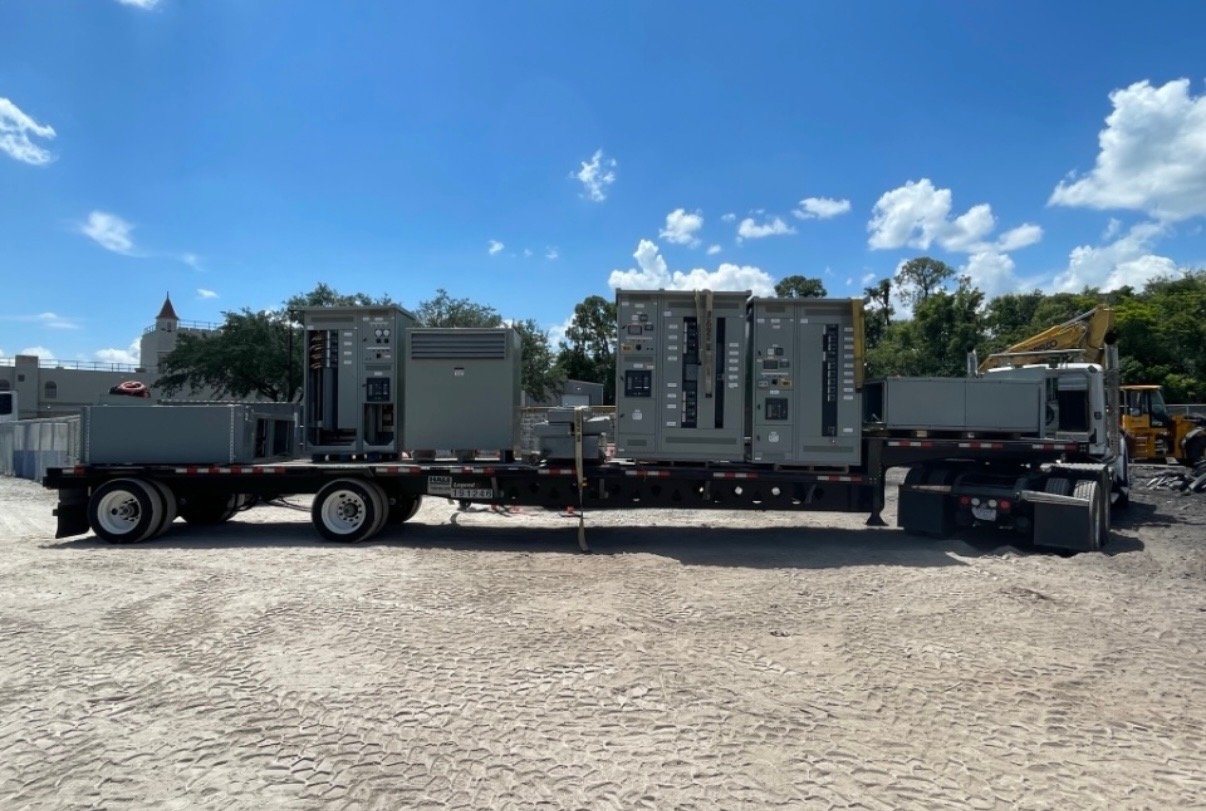
For an offer, provide clear unit photos, nameplate details, known fluid and PCB information, and any existing test records. Identify site access limits and whether the transformer remains connected. Freight is covered by the buyer, with the precise removal scope agreed in advance; offers depend on the unit, condition, ownership, safety, documentation, and mutually agreed scope. Payment is upfront under the agreed terms.
Do I need current oil or PCB testing to request an offer?
No. Testing is not required just to contact us. Share existing records if available and identify any unknowns; do not treat missing records as proof of PCB status.