Start with identity and fit
Photograph each nameplate clearly and record the manufacturer, serial number, kVA rating, primary and secondary voltage, phase, frequency, and impedance if shown. The serial helps distinguish units that look alike; voltage, phase, and capacity indicate whether a transformer may suit a particular application. Include overall dimensions and an estimated weight if available.
Also note whether the unit is liquid-filled or dry-type, its location, and whether it is mounted indoors, outdoors, or on a pad. Send wide and close photographs, including terminals, bushings, radiators, gauges, and visible damage. These details help define the item and flag access or handling questions; they do not establish a value by themselves.
Document condition and evidence
Describe leaks, corrosion, damaged bushings, missing covers, unusual noise history, overheating, or known faults. Share existing inspection and test reports, maintenance records, and oil or PCB documentation where available. PCB records concern polychlorinated biphenyls, regulated chemicals that may affect how equipment is handled; do not assume status from age or appearance.
Testing is not required simply to request an offer. Existing results can help distinguish documented operating condition from unknown condition, but a report is evidence, not a guarantee of future performance. Be clear about what is known and what is not, and provide the report date and unit serial so records can be matched accurately.
Set the scope before comparing outcomes
A complete unit with usable records and included accessories may be evaluated differently from equipment with missing parts or unresolved faults. List items such as fans, controls, gauges, arresters, or spare components, and identify what is excluded. The buyer must document the unit, condition, and included scope before presenting a value; outcomes may reflect reuse potential or material recovery.
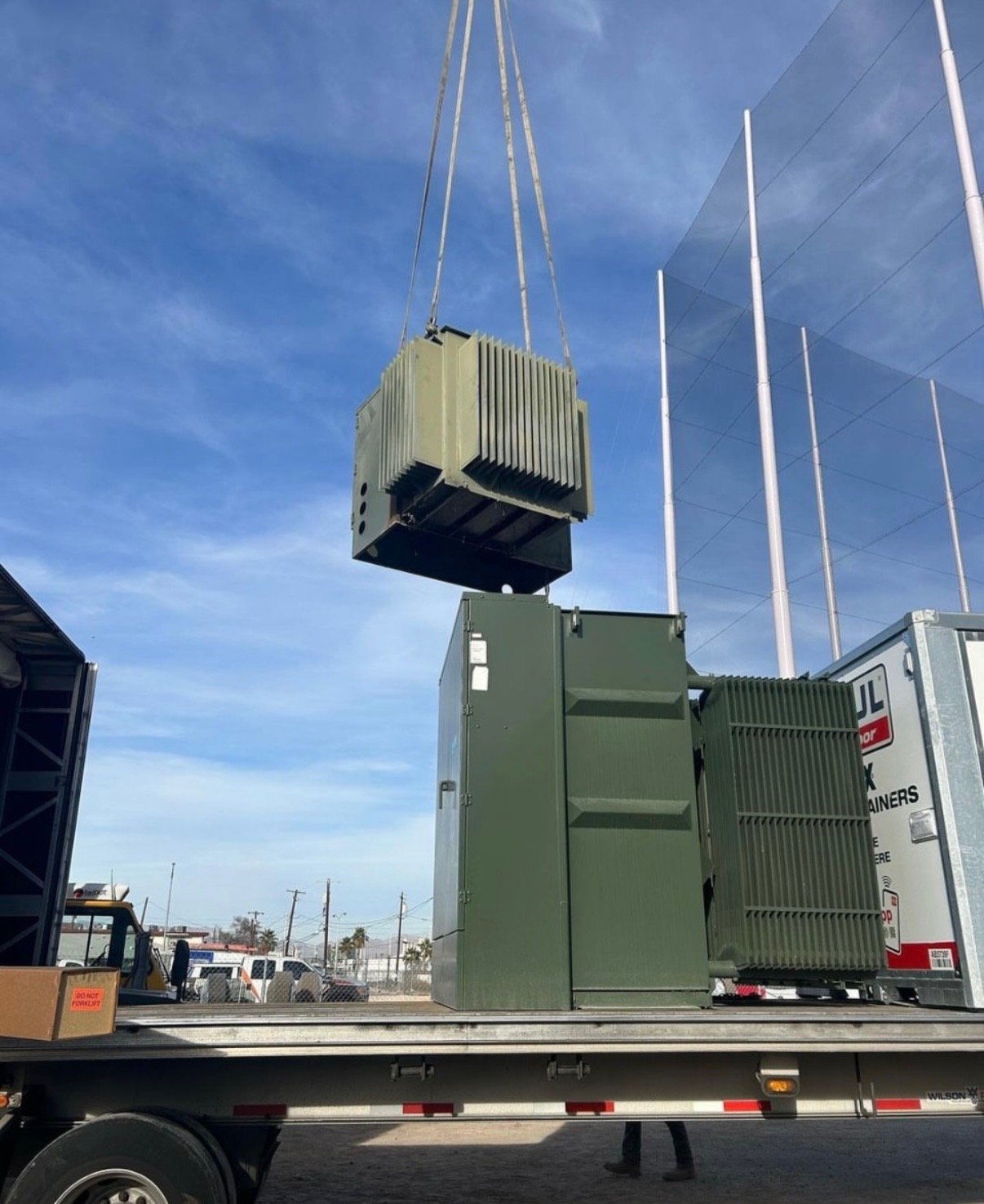
Removal logistics also affect an offer. Share the site location, access constraints, approximate weight, loading arrangements, and any known rigging or transport limits. Electrical equipment must be isolated and disconnected by qualified personnel. Freight is covered by the buyer, while the precise removal scope should be agreed in advance. Confirm ownership and provide photos, records, and access details with the quote request.
Do I need to test the transformer before requesting an offer?
No. You can request an offer using the available nameplate details, photographs, and condition history. Include existing test, oil, or PCB records if you have them; an offer depends on the documented unit, ownership, safety, and mutually agreed removal scope.