Ratings that matter
Share nameplate photos with kVA, primary and secondary voltage, phase, frequency, impedance, temperature rise, insulation class, and tap positions.
Identify whether the unit is ventilated, enclosed, or encapsulated, and note its enclosure rating. Include serial number and dimensions when available to support identification and freight planning.
Inspect without disturbing
Describe visible coil and core condition, terminals, barriers, ducts, enclosure panels, fans, thermostats, and sensors. Report dust, moisture, tracking, or overheating signs.
Copper or aluminum windings, insulation, core condition, and accessory completeness influence valuation. No test is required to request an offer; existing records may be provided if available. Do not open or disturb equipment to gather details.
Plan safe handling
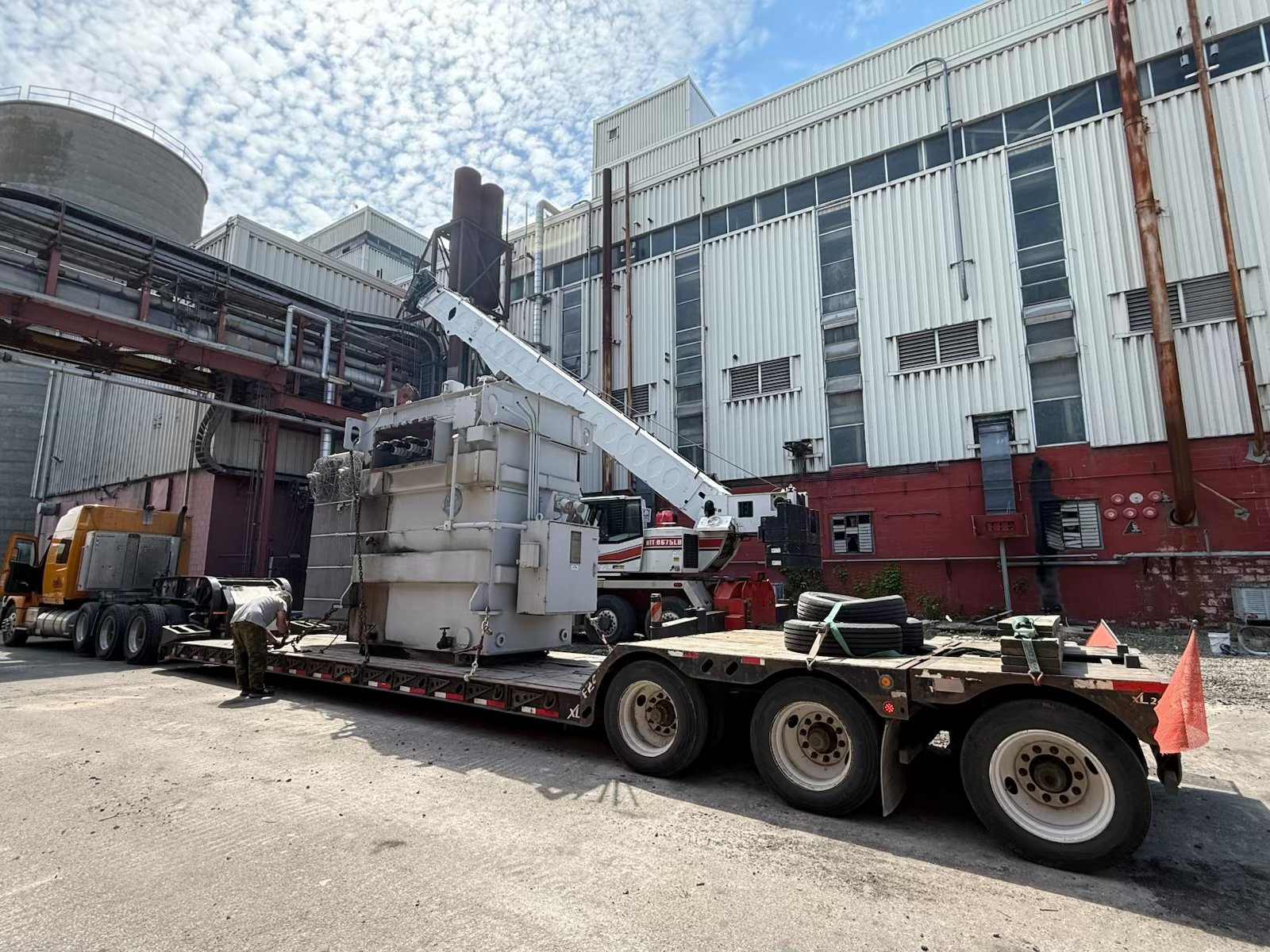
Provide unit weight, shipping dimensions, lifting points, and loading access. Indoor commercial and institutional locations can require scheduling and staging that limit disruption.
Dry units remain heavy and may be top-heavy, so handling must account for suitable lifting and securement. Your qualified personnel handle electrical isolation and disconnection; removal scope is mutually agreed, payment is upfront, and the buyer covers freight.
Should I test a dry-type transformer before asking for an offer?
No. A test is not required to request an offer. Send available nameplate details, photos, condition notes, accessory information, and any existing records.