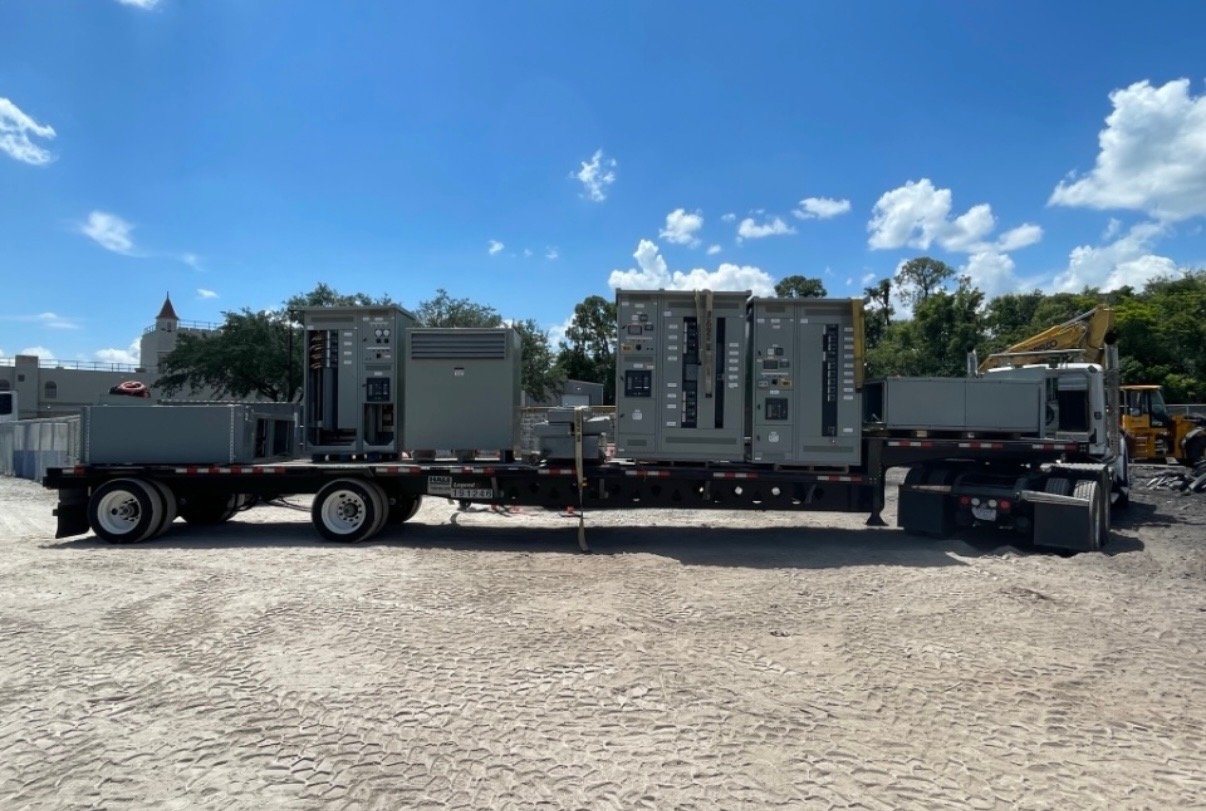
Identify the power unit
Share clear nameplate photos and record MVA, primary and secondary voltages, impedance, winding connection, tap range, cooling class, frequency, temperature rise, serial number, and weight.
These details help assess possible applications and freight needs; system compatibility also depends on short-circuit duty, grounding, and protection settings, not ratings alone.
Condition and records matter
Describe bushing condition, oil level, leaks, radiators, conservator or nitrogen system, tap changer, and included controls. Note whether the unit is complete or stripped.
Copper or aluminum windings, core steel, tank condition, accessories, and service history inform valuation. No test is required to request an offer; share existing oil, PCB, or other records if available.
Plan a controlled move
Provide dimensions, engineered lifting points, center-of-gravity information, loading access, and timing. Variable surfaces and weather exposure around Luverne can affect staging and equipment access.
Seller-qualified personnel handle electrical isolation and disconnection. Purchase and removal scope is mutually agreed; payment is upfront, and the buyer covers freight under the agreed plan.
What information helps evaluate a large substation transformer?
Send the nameplate details, condition and accessory list, available oil or PCB records, dimensions, weight, and loading information. Existing tests can help, but none is required just to request an offer.