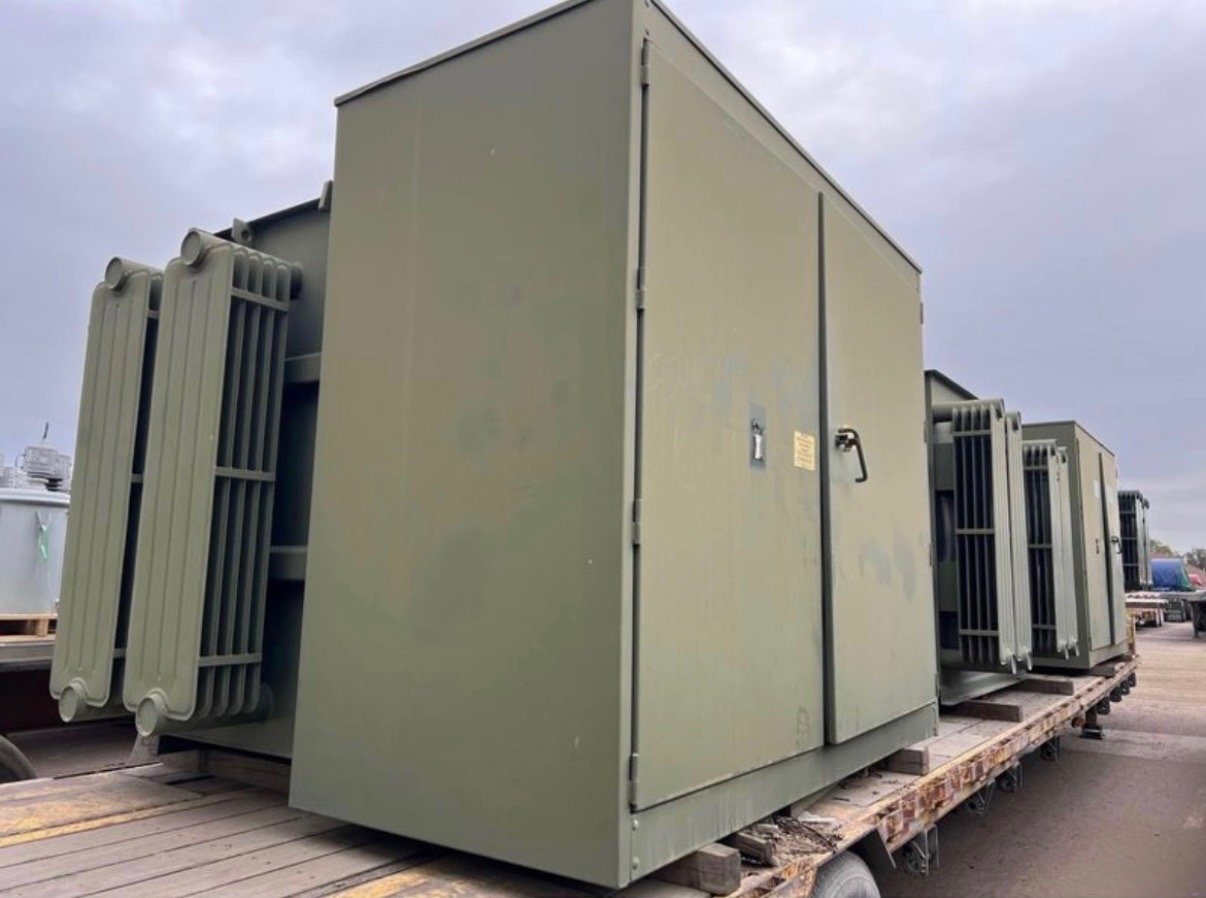
Provide nameplate information
Send readable photographs of the nameplate, including manufacturer, kVA, voltage ratings, phase, impedance, and serial number where available. These identifiers help evaluate the specific asset.
Explain whether the transformer serves campus distribution, a commercial property, or light industry, and provide its location, access route, and loading constraints.
Describe condition and records
Report whether the equipment is installed or already disconnected, along with visible damage, leakage, corrosion, or missing components. Include known service history only when supported by available information.
No test is required simply to request an offer. Existing oil, PCB, inspection, or maintenance records may be shared if available and can inform the evaluation.
Plan access and pickup
Offers depend on the unit, condition, ownership, safety, records, and mutually agreed purchase and removal scope. Payment is upfront; the buyer covers freight under the agreed arrangement.
Narrow campus or commercial routes and fixed loading windows are useful to flag early. Seller-qualified personnel must perform electrical isolation and disconnection; coordinate loading and timing before pickup.
What access details matter when selling a transformer in Jacksonville?
Describe route width, turning space, loading area, site access rules, and preferred loading windows. Also provide nameplate, condition, ownership, and any available records.