Establish ratings and compatibility
Send the nameplate MVA, primary and secondary voltages, frequency, impedance, winding connection, tap range, cooling class, temperature rise, serial number, and weight.
These details help assess potential application fit and plan freight. Include dimensional drawings, available center-of-gravity information, and loading-point details when already on hand.
Record condition and history
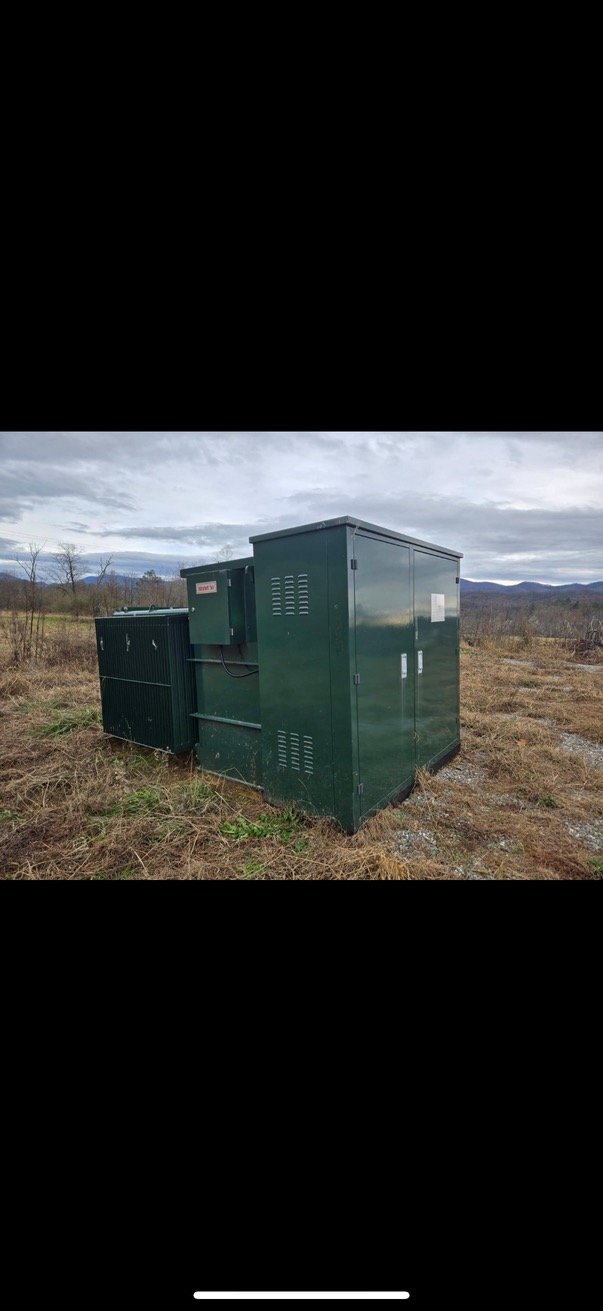
Describe bushings, radiators, oil level, tank leaks, conservator or nitrogen system, tap changer, gauges, and whether fans, pumps, controls, and other accessories remain installed.
Share service or removal history and existing oil, dissolved-gas, PCB, or other records if available. No test is required to request an offer; condition and completeness affect valuation.
Coordinate heavy equipment movement
Report known exposure to flooding, fire, impact, or storage conditions, plus site clearances and access for lifting equipment. Large units may need route review and controlled loading.
In Hartselle, coordinate loading-zone access and timing before removal. Seller-qualified personnel handle electrical isolation and disconnection; the purchase and removal scope are mutually agreed, and the buyer covers freight.
What records help evaluate a substation transformer?
Nameplate data, service and removal history, and existing oil, dissolved-gas, or PCB records are useful if available. None is required simply to request an offer.