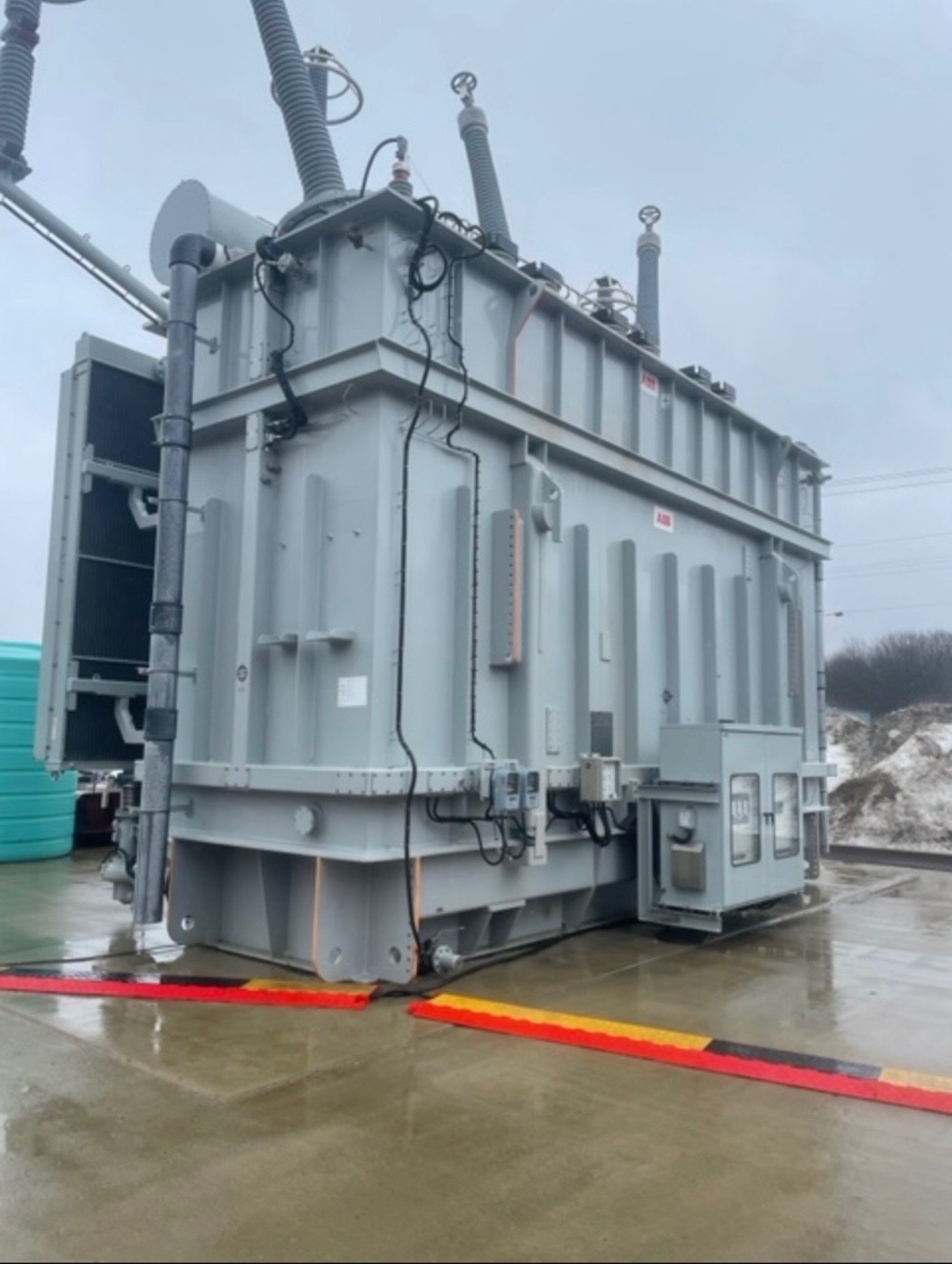
Identify the unit
Share kVA, primary and secondary voltage, phase, frequency, impedance, connection, serial number, and winding material if stated on the nameplate.
Specify dead-front or live-front construction and list included elbows, fuses, links, and compartment hardware. Note fluid type and any available sample or PCB records.
Show condition and access
Describe cabinet doors, hinges, locks, base, bushings, and drain provisions, noting corrosion, water entry, leaks, vandalism, bulging, or overheating without opening energized equipment.
Voltage class, kVA, winding material, fluid condition, accessories, and enclosure integrity affect valuation. Explain whether the unit is serviceable, tested previously, or being offered for material recovery.
Agree on removal scope
No test is required simply to request an offer. Provide pad location, truck access, traffic constraints, and cable-slack information to help coordinate lifting and freight.
In Hartselle, clarify site access and timing before scheduling. Seller-qualified personnel handle electrical isolation and disconnection; the parties mutually agree on purchase and removal scope, and the buyer covers freight.
Who handles switching and cable disconnection?
The seller’s qualified personnel handle electrical isolation and disconnection. Discuss switching responsibility, site access, loading arrangements, and the agreed removal scope before scheduling.