Identify the configuration
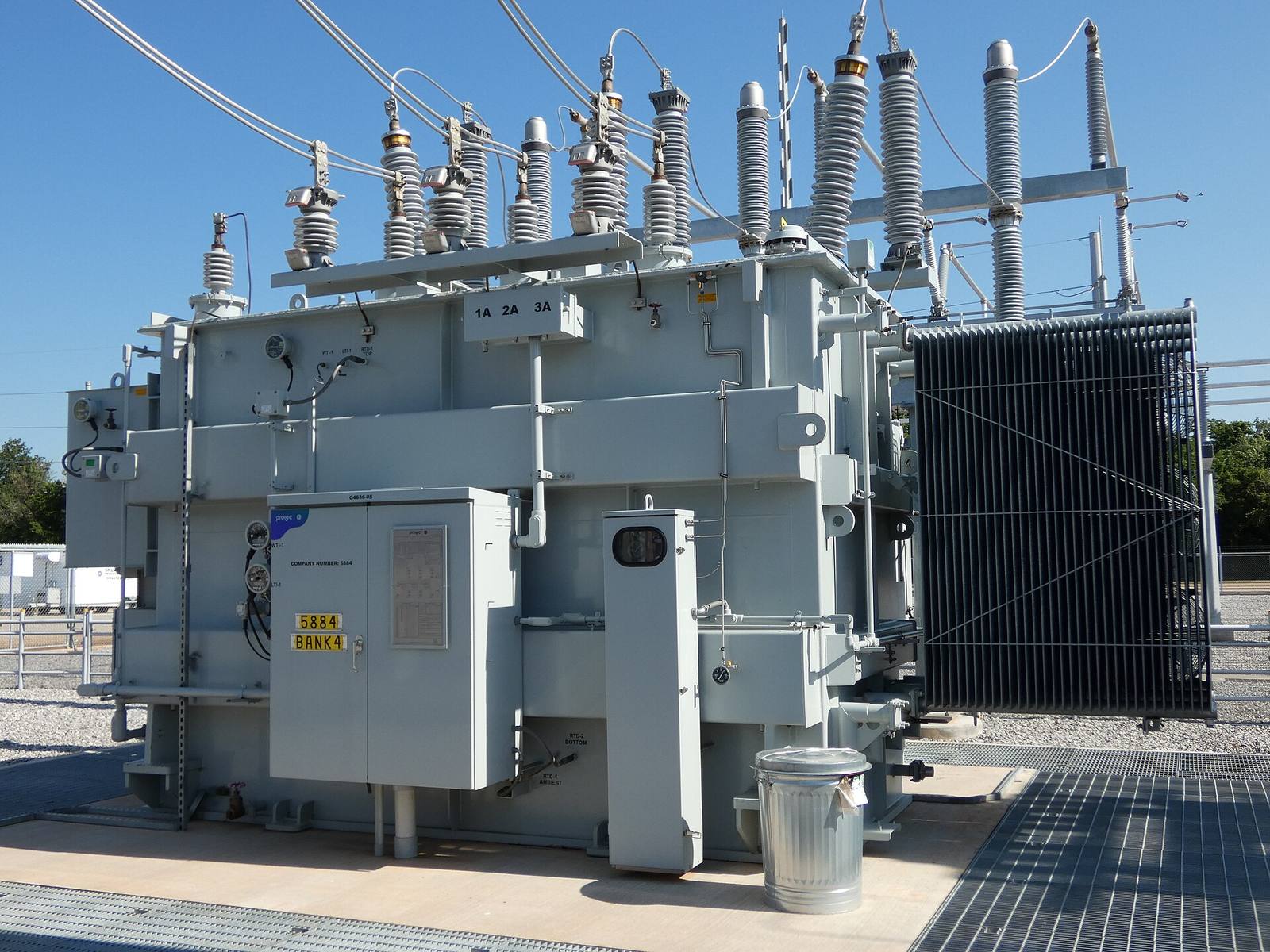
Share kVA, primary and secondary voltage, phase, frequency, impedance, connection, fluid type and serial number. Note whether the high-voltage compartment is dead-front or live-front.
List included elbows, fuses, links and compartment hardware. Photos of the exterior and nameplate are helpful; do not open energized equipment to gather information.
Describe condition and value
Report cabinet corrosion, damaged hinges or locks, bulged panels, water entry, leaks or overheating. Available fluid or PCB records may be supplied; no test is required to request an offer.
Voltage class, kVA, winding material, fluid condition, accessories and enclosure integrity affect value. A unit’s serviceability and condition help determine whether recovery or material value is relevant.
Plan site access safely
Describe the pad location, truck access, traffic exposure and cable slack. These details help estimate lifting and removal effort, especially where Tuscumbia access or staging is constrained.
Your qualified personnel handle electrical isolation and cable disconnection. Payment is upfront, freight is buyer-covered, and purchase and removal scope are agreed mutually before scheduling.
Who disconnects the transformer from its cables?
Your qualified personnel handle electrical isolation and disconnection. Share site access and switching coordination details so the parties can agree on the removal scope safely.