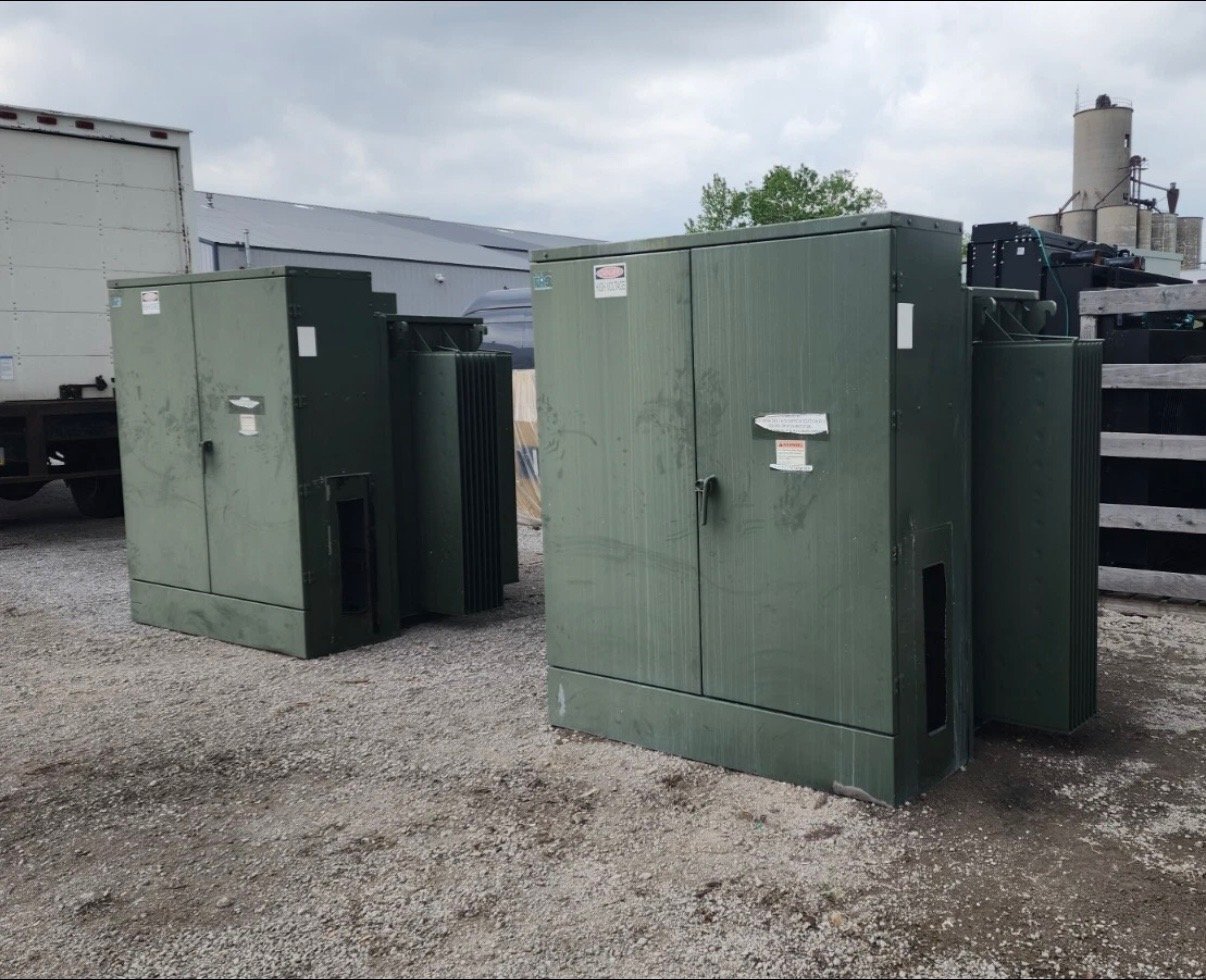
Start with the nameplate
A clear nameplate photo can establish the basics: kVA (capacity), primary and secondary voltage, phase, frequency, impedance, insulation class, winding temperature rise, tap positions, and serial number. Note whether the transformer is ventilated, enclosed, or encapsulated, and whether fans or temperature controls are fitted.
For a warehouse, manufacturing plant, or commercial site, also share approximate dimensions, weight, and available lifting points. These details help assess access and transport needs, especially when a unit must be moved through a busy building or from a lake-region property. Send photos and information through the quote form before arranging a move.
Describe condition and included parts
Without disturbing the windings, report visible dust buildup, moisture, tracking, discoloration, or signs of overheating. Coils, core clamps, terminals, barriers, air ducts, fans, thermostats, and enclosure panels all affect condition and potential value. Dry-type means the unit does not use insulating liquid; it does not mean the equipment is safe to handle or free of electrical and lifting hazards.
Value can vary with copper or aluminum windings, core and insulation condition, enclosure completeness, and whether cleaning or refurbishment appears realistic. Existing test reports, oil or PCB records where applicable, and maintenance documents may help clarify history, but testing is not required to request an offer. Gather available records and note any missing panels, tap links, lugs, fans, or sensors.
Plan a safe, practical removal
Scottsboro sites can differ in access, from plant floors and warehouse aisles to commercial locations with weather exposure. A route survey may help identify door clearance, turning space, floor conditions, staging room, and protection needed against rain or moisture. Agree on the removal scope and freight arrangements before scheduling work.
Only qualified personnel should isolate and disconnect electrical equipment. Dry transformers can be dense and top-heavy; improper fork placement or unrestrained movement can damage the unit or cause injury. Do not have untrained staff handle or prepare it for lifting. Share site access limits and any known lifting points so removal responsibilities can be agreed in advance.
Do I need to test or disconnect the transformer before requesting an offer?
No testing is needed to request an offer, and you can provide existing records if available. Electrical isolation and disconnection must be handled by qualified personnel. Any purchase and removal plan depends on the unit, condition, ownership, safety, documentation, and mutually agreed scope.