Send key specifications
Include nameplate photos with kVA, primary and secondary voltage, phase, frequency, impedance, connection, winding material when stated, and serial number.
Identify fluid type and whether the compartment is dead-front or live-front. Note included elbows, fuses, links, and compartment hardware; these details help distinguish configurations.
Explain condition
Report enclosure, door, hinge, lock, base, bushing, and drain condition, plus visible leaks, corrosion, water entry, vandalism, or overheating.
Valuation reflects voltage class, kVA, copper content, fluid condition, accessories, and whether the unit is serviceable or for material recovery. No test is required to request an offer; existing oil, PCB, or other records may be provided.
Discuss pad and access
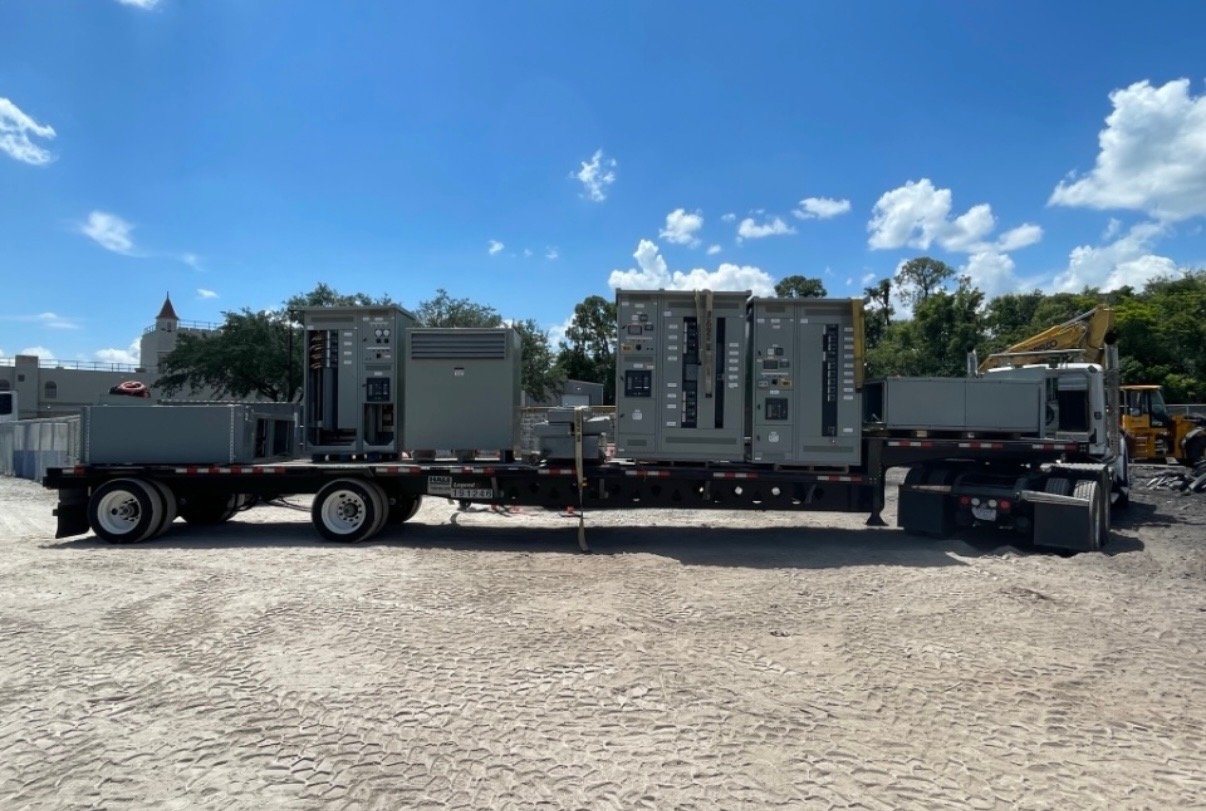
Share pad dimensions, cable slack, traffic exposure, truck reach, and site scheduling limits. Developed commercial or light-industrial sites may constrain maneuvering and staging.
Your qualified personnel handle electrical isolation and disconnection; do not open energized equipment. Purchase and removal scope is mutually agreed, payment is upfront, and the buyer covers freight.
What site details can change the removal plan?
Pad size, cable slack, traffic exposure, truck access, and site scheduling can affect loading and freight arrangements. Share these details with the transformer information.