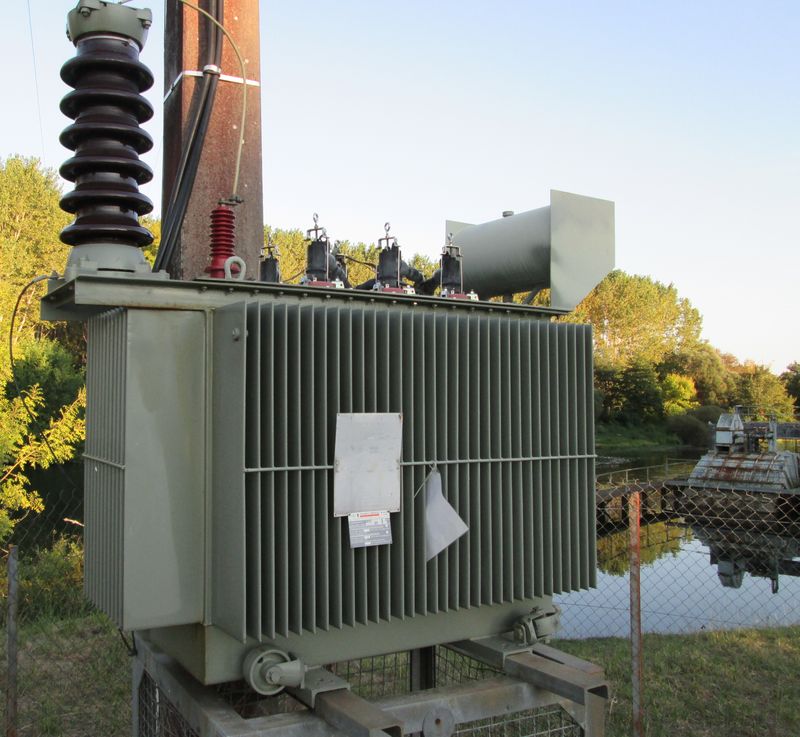
Capture nameplate data
Send MVA, primary and secondary voltages, frequency, impedance, winding connection, tap range, cooling class, temperature rise, serial number, and total weight.
Identify oil status and included bushings, radiators, fans, pumps, tap changer parts, gauges, and control cabinets. Existing oil, dissolved-gas, PCB, or other records may be provided; testing is not required for an offer.
Assess history and condition
Describe bushing condition, oil level, leaks, conservator or nitrogen system, radiators, tap changer, and accessory completeness, along with known service or storage history.
Value may reflect winding metal, core steel, tank condition, recoverable accessories, oil information, and whether the unit is complete or stripped. Disclose flooding, fire, impact, or known operating issues.
Arrange heavy transport
Provide dimensions, lifting points, center-of-gravity information, and loading access where available. Route review and controlled loading may be needed instead of ordinary pallet freight.
The seller’s qualified personnel handle electrical isolation and disconnection. Agree mutually on purchase and removal scope; payment is upfront and the buyer covers freight.
What information helps plan removal of a large substation transformer?
Provide shipping dimensions and weight, lifting-point and center-of-gravity details, loading access, timing, and available drawings. The removal and loading scope is agreed before work.