Start with the nameplate
Share kVA or MVA, voltage ratio, phase, frequency, impedance, cooling class, tap range, bushing ratings, fluid designation, serial number, and shipping weight.
Dimensions and total fluid weight help plan handling. Include available drawings or service history, especially if the transformer supplied industrial, commercial, or process loads.
Condition and documentation
Describe leaks, tank welds, gaskets, valves, radiators, gauges, bushings, breathers, pressure devices, and any conservator or diaphragm concerns. Note known fault damage or leak history.
Oil condition, copper content, core integrity, controls, and PCB documentation can affect valuation and transport planning. No test is required to request an offer; provide existing oil, PCB, or other records if available.
Coordinate safe removal
Offers depend on the unit, condition, ownership, safety, records, and agreed scope. Payment is made upfront, and the buyer covers freight; purchase and removal responsibilities are mutually agreed.
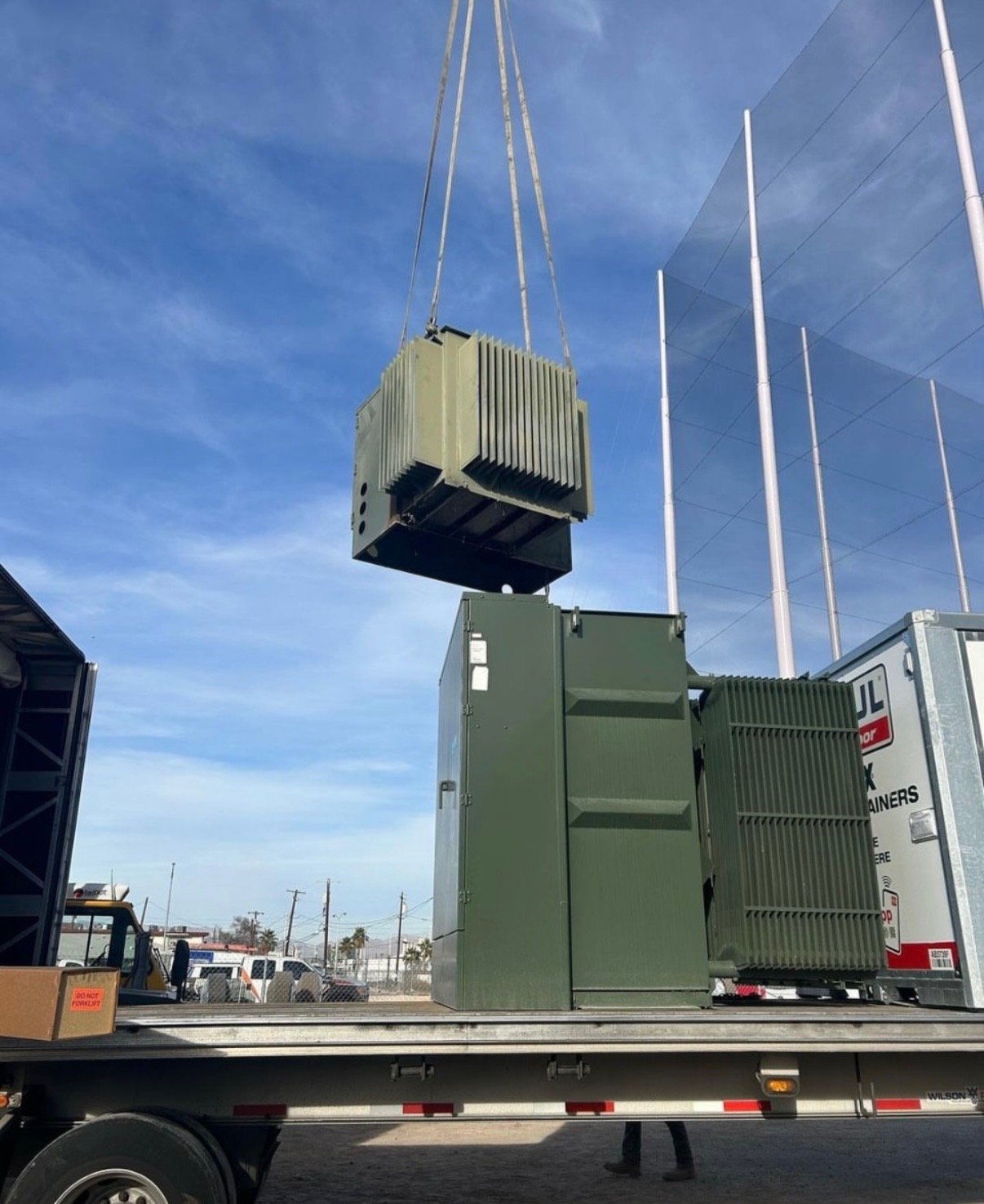
Seller-qualified personnel handle electrical isolation and disconnection. Discuss whether the transformer can remain upright, loading access, lifting arrangements, and any fluid handling needs before scheduling; qualified parties should plan sampling or draining.
What information helps evaluate a Jasper oil-filled transformer?
Send nameplate details, dimensions and weight, fluid and PCB records if available, condition notes, ownership confirmation, and loading access information. No test is required to request an offer.