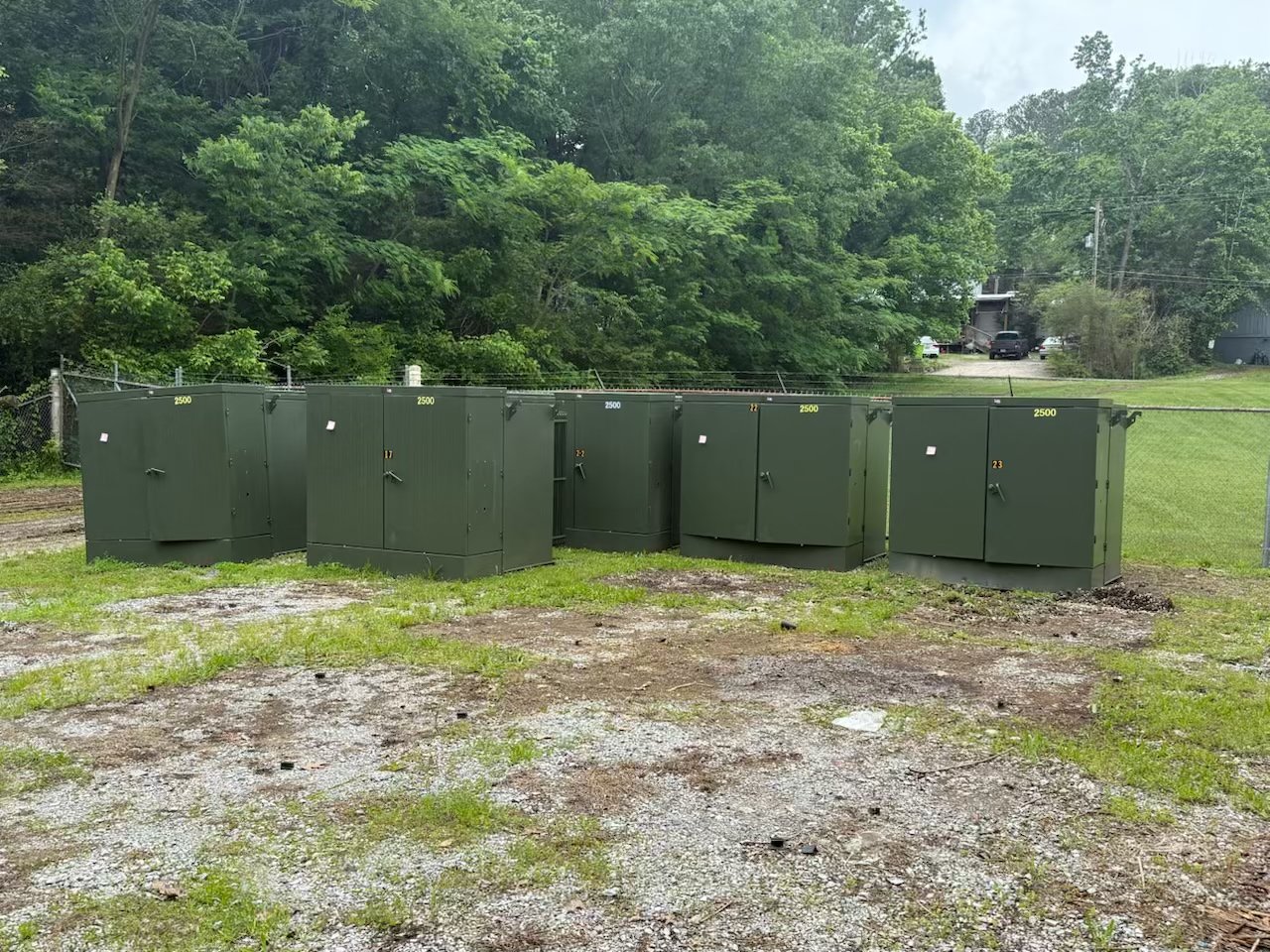
Nameplate and fluid details
Send a clear nameplate photo or transcribe the kVA or MVA, primary and secondary voltage, phase, frequency, impedance, tap range, bushing ratings, cooling class, and fluid designation. Include the serial number, dimensions, and total fluid and shipping weights if known. These details help distinguish units that may look alike but suit different electrical duties.
Note the fluid quantity and provide existing oil-sample or PCB records if available; testing is not required to request an offer. Oil condition, PCB documentation, copper content, and core integrity can affect resale, transport, treatment, or salvage decisions. Do not drain or sample the unit yourself; have qualified parties plan fluid work under applicable rules.
Condition and service history
Describe tank-weld or gasket leaks, valve condition, radiator damage, cracked bushings, gauge or control problems, and the condition of any conservator, diaphragm, breather, or pressure device. Mention low-level alarms, pressure damage, or signs of an internal fault. Photos of visible issues can clarify what a brief description cannot.
Say whether the transformer was operating when removed and what prompted its removal, such as a project change or maintenance decision. For a Birmingham site, identify access limits, active work areas, and any loading constraints early. Electrical isolation and disconnection must be handled by qualified personnel.
Removal and quote planning
Confirm whether the unit can remain upright and be secured during loading and transit. Share available access and lifting information, plus any known site restrictions, so the removal scope can be agreed before scheduling. Freight is covered by the buyer; the precise loading and removal responsibilities are mutually agreed.
Send the records and photos you already have with the quote request; no testing is needed to make contact. If a purchase is agreed, payment is upfront. Keep ownership and equipment documentation available, and do not move or handle the transformer until qualified site personnel have made it safe.
Do I need oil tests or PCB records before asking for an offer?
No. Existing test or PCB records are useful if available, but they are not required to request an offer. Share known fluid details, condition, and nameplate information, and disclose any gaps or uncertainties.