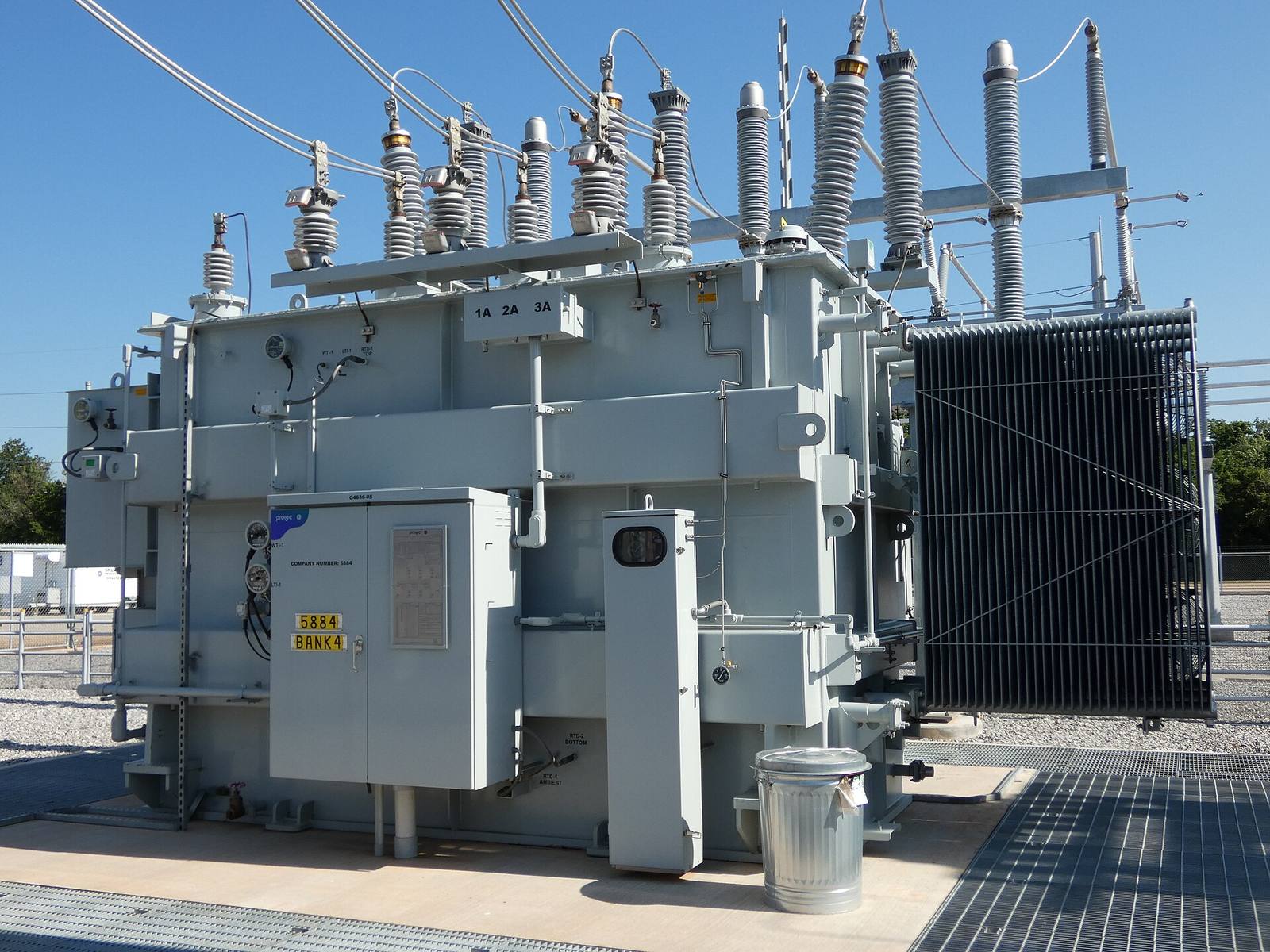
Identify the unit
Provide kVA, primary and secondary voltage, phase, frequency, impedance, serial number, connection, and winding material if stated on the nameplate.
Note fluid type and whether the design is dead-front or live-front. Primary compartment configuration matters because these designs are not interchangeable without system review.
Describe condition
Report enclosure, doors, hinges, locks, base, bushings, elbows, fuses, and drain provisions, plus corrosion, overheating, leaks, vandalism, or water entry.
Value depends on voltage class, kVA, winding metal, fluid condition, intact accessories, and cabinet integrity. No test is required to request an offer; existing oil, PCB, or other records may be provided if available.
Coordinate access
Share whether a truck can reach the pad, available lifting access, cable slack, traffic constraints, and site-access arrangements. These details help define removal and freight requirements.
The seller’s qualified personnel handle electrical isolation and cable disconnection. Purchase and removal scope are mutually agreed; payment is upfront and freight is covered by the buyer under that scope.
Who handles switching and cable disconnection?
The seller’s qualified personnel handle electrical isolation and disconnection. Share site-access and loading details so the parties can agree on removal scope; no test is required to request an offer.