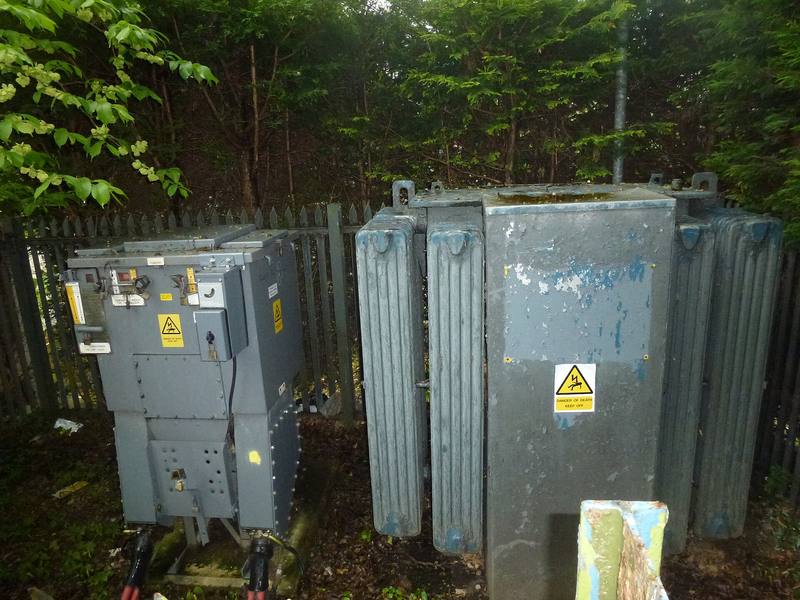
Share ratings and design
Provide kVA, primary and secondary voltage, phase, frequency, impedance, temperature rise, insulation class, tap positions, serial number, and enclosure rating.
Identify whether the unit is ventilated, enclosed, encapsulated, or equipped with fans and temperature controls. Existing inspection or other records may be provided if available; no test is required for an offer.
Assess condition and value
Describe coils, core clamps, terminals, barriers, ducts, fans, thermostats, and enclosure panels, noting dust, moisture, tracking, or overheating evidence.
Copper or aluminum windings, core integrity, coil insulation, complete panels, and working accessories can affect valuation. Photos help distinguish a potentially reusable unit from one more suited to recovery.
Prepare for movement
Share dimensions, weight, lifting points, and staging access. Dry-type units can be dense and top-heavy, so fork placement and secure restraint matter when planning loading.
Your qualified personnel handle electrical isolation and disconnection. Purchase and removal scope is agreed together; payment is upfront and the buyer covers freight.
What details help evaluate a dry-type transformer?
Send the nameplate, serial number, winding and enclosure photos, known condition issues, dimensions, weight, lifting points, and access information. No test is required simply to request an offer.